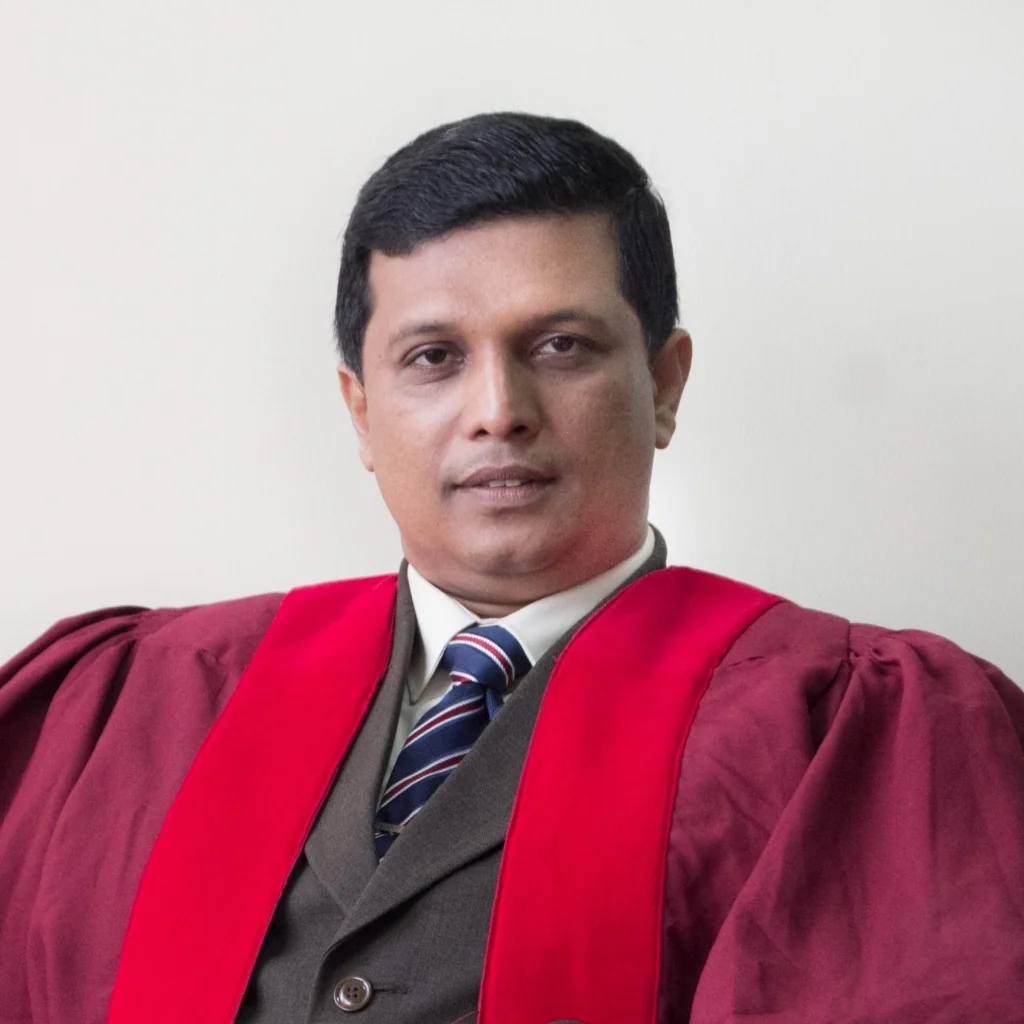
Prof. Samadhi Wishwanath Rajapaksa
Founder & Chairman, Institute of Palliative Medicine • Pioneer of Palliative Medicine in Sri Lanka
“Recognized as a leading pioneer who moved palliative care beyond a hospital-based service toward a community-oriented, culturally responsive, and holistic model adapted to Sri Lankan culture.”
Prof. Samadhi Rajapaksa is a distinguished Sri Lankan physician whose work spans medicine, palliative care, Buddhist psychology and counseling, public health, cancer prevention, and tobacco control. Recognizing the urgent need for structured end-of-life care in 2003, he spearheaded the establishment of organized palliative care and home-based support in Sri Lanka.
Institutional Overview & History
How Sri Lanka's pioneering dedicated Institute of Palliative Medicine was founded and developed.
Historical Development
In the early 2000s, palliative care services in Sri Lanka were severely limited, and access to specialized end-of-life care was virtually unavailable. Prof. Samadhi Rajapaksa recognized this critical gap while serving as a medical officer in 2003 and initiated structured cancer relief through the Cancer Care Association of Sri Lanka.
In 2011, he established the Karapitiya Model, a home-based palliative care program emphasizing that care should come directly to patients in their familiar home environment rather than requiring painful and costly repeated hospital journeys.
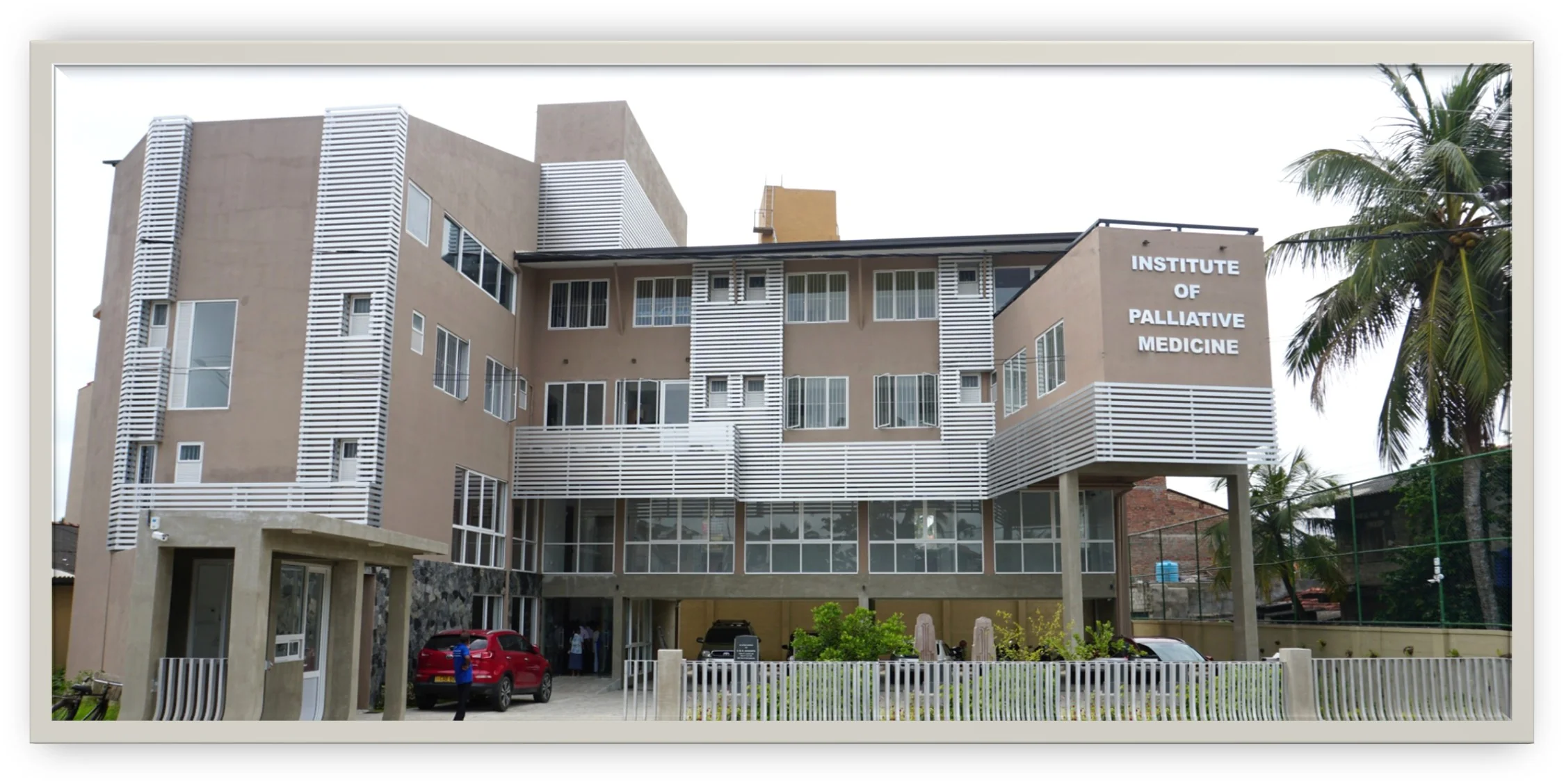
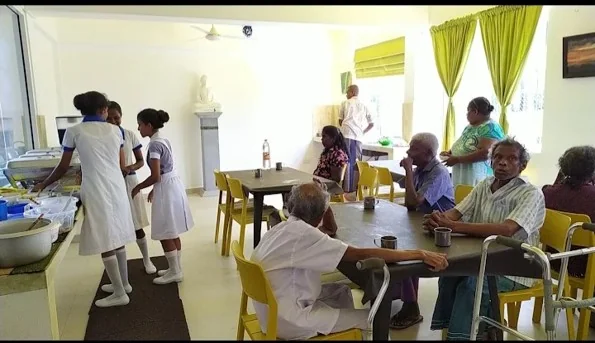
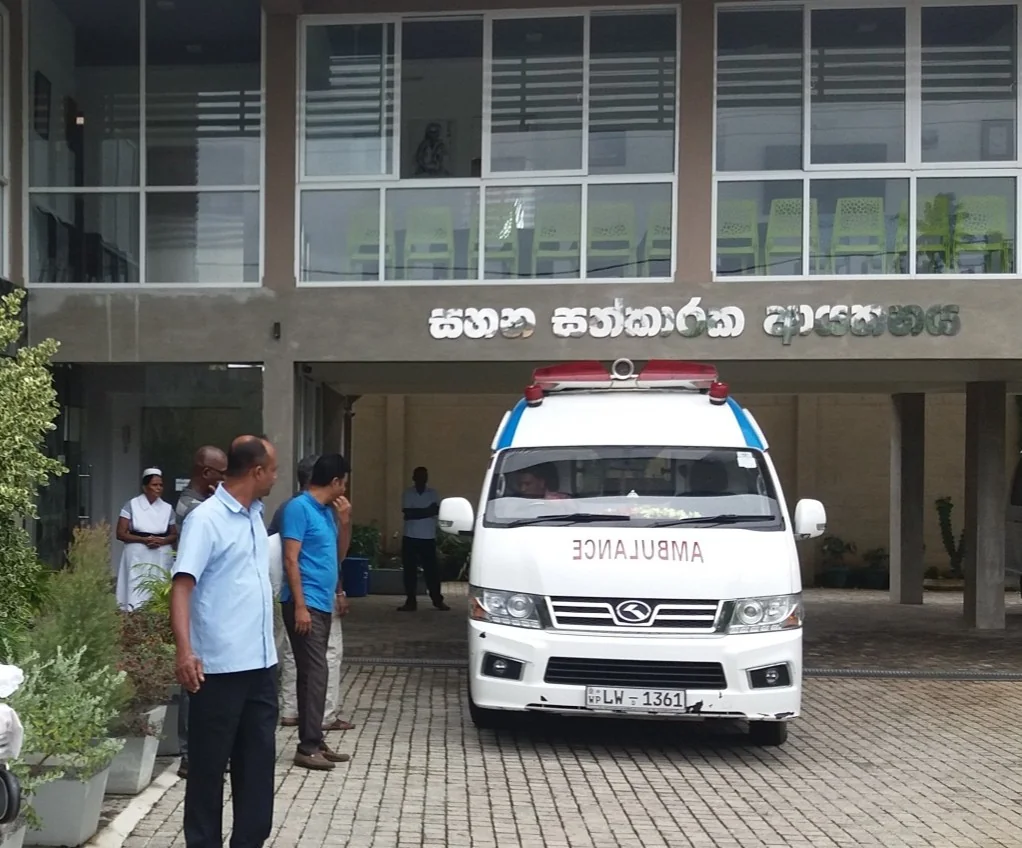
The experience gained through this grassroots community model laid the foundation for establishing the Institute of Palliative Medicine (IPM) in Matara as a dedicated center combining a 21-bed inpatient hospice, a 125-seat research auditorium, and comprehensive home-care outreach.
Vision & Mission
Our guiding star for ensuring compassionate, culturally resonant, and accessible care for every citizen.
Our Vision
“To ensure that every person living with a life-limiting or life-threatening illness has access to compassionate, holistic, culturally appropriate and dignified palliative care, wherever they live.”
Our Mission
“To provide comprehensive palliative and hospice care while developing sustainable community-based models, strengthening professional education, advancing research, and promoting public understanding of palliative care and dignified end-of-life care.”
Our 4 Central Guiding Principles
Compassion
Unconditional empathy and loving medical care addressing suffering with dignity and kindness.
Dignity
Upholding the human worth and autonomy of every patient through personalized, respectful care.
Accessibility
Ensuring 100% free care, bringing services closer to patients via mobile home visits and clinics.
Continuity of Care
Unbroken support across diagnosis, acute treatment, hospice respite, terminal care, and bereavement.
12 Core Objectives
The foundational mandate driving our clinical services, education, and community advocacy.
To provide high-quality palliative care to patients with life-limiting and life-threatening illnesses.
To relieve suffering, including pain and other distressing physical symptoms.
To address psychological, social, and spiritual suffering rather than treating the disease alone.
To support families and caregivers throughout the illness trajectory and into bereavement.
To promote home-based palliative care so appropriate patients can remain in their familiar domestic environment.
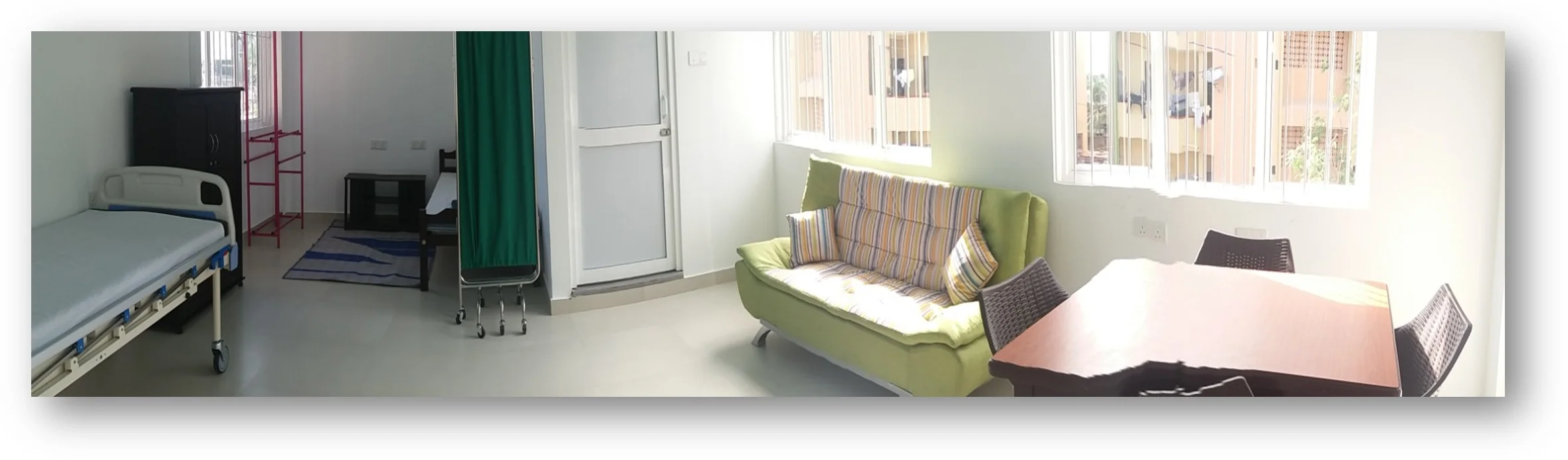
To provide specialized 21-bed hospice and inpatient care for patients who require institutional support.
To develop grassroots community participation and volunteer networks in palliative care.
To educate and train healthcare professionals (doctors, nurses, allied health) in palliative medicine.
To train community volunteers and family caregivers in appropriate supportive care.
To undertake empirical research relevant to palliative medicine and Sri Lankan healthcare policy.
To promote early integration of palliative care rather than restricting it to the terminal phase.
To advocate for equitable access to palliative care throughout all provinces of Sri Lanka.
Philosophy of Care
Palliative care is not simply the management of terminal pain. Our model recognizes and alleviates all dimensions of human suffering:
1. Physical
- Severe & chronic pain
- Breathlessness & dyspnoea
- Nausea & vomiting
- Chronic fatigue & weakness
- Wounds & pressure ulcers
- Anorexia & cachexia
- Sleep disturbance
2. Psychological
- Severe anxiety & panic
- Clinical depression
- Fear of death & unknown
- Loss of independence
- Anticipatory grief
- Emotional distress
- Caregiver burnout
3. Social
- Family relationship strains
- Extreme financial hardship
- Heavy caregiver burden
- Social isolation & stigma
- Loss of employment/roles
- Food & ration insecurity
- Lack of transport options
4. Spiritual
- Meaning and life purpose
- Questions on life & death
- Religious practices & needs
- Fear of dying process
- Interpersonal reconciliation
- Preparation for death
- Inner peace & solace
Culturally Appropriate Palliative Care
Harmonizing with Sri Lankan ValuesPerceptions of illness, suffering, and dying are deeply rooted in Buddhist, Hindu, Christian, and Islamic cultural and spiritual traditions.
The Institute's community-oriented framework demonstrates an indigenous model where family and community relationships remain central to end-of-life decision-making and spiritual peace.
Education & Postgraduate Training
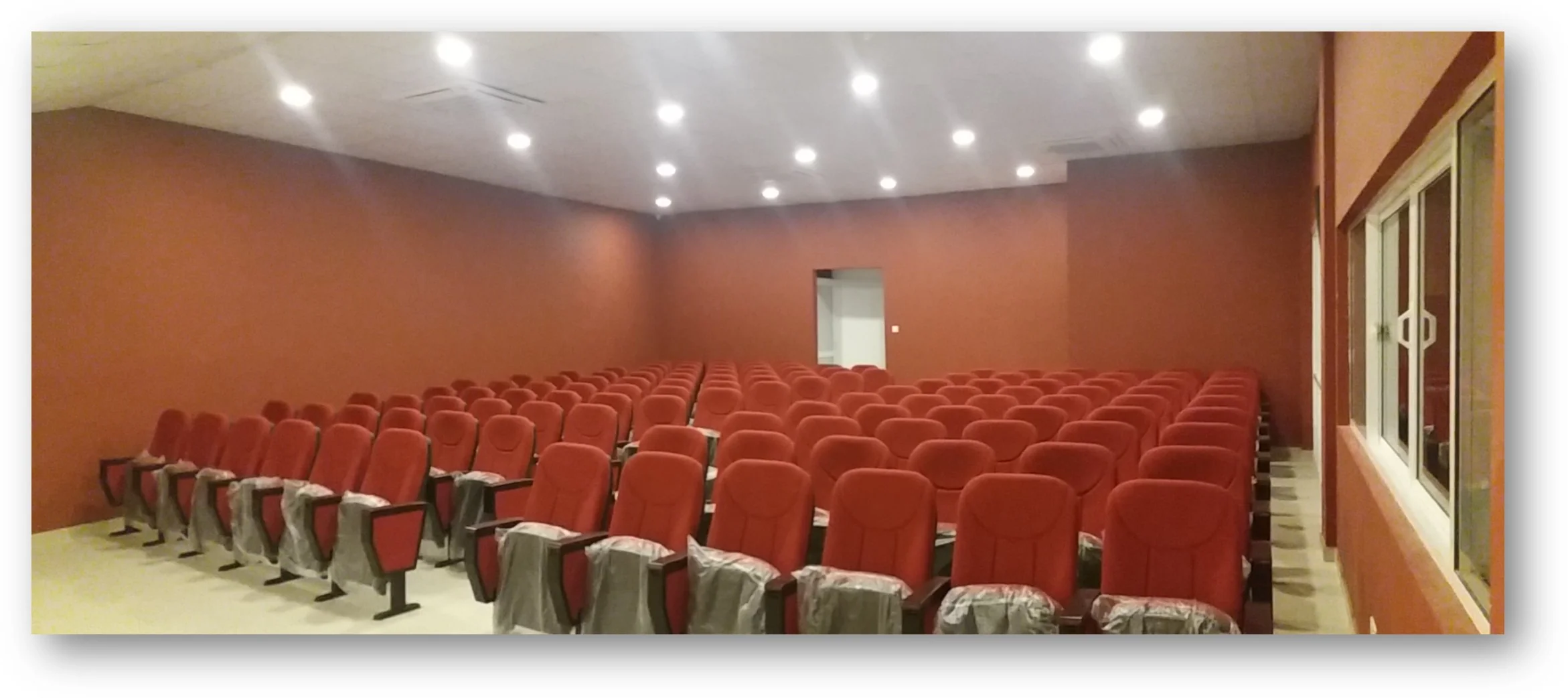
125-Seat Research AuditoriumThe Institute functions as a specialized clinical and community training environment for doctors, nurses, medical students, counsellors, and volunteer caregivers.
Complementing national programs such as the Postgraduate Institute of Medicine (PGIM) Postgraduate Diploma in Palliative Medicine (introduced in 2018), IPM equips the healthcare workforce with hands-on competencies.
Strategic Priorities: 6 Core Pillars
Our institutional development framework positioning IPM as a national center of excellence:
Excellence in Clinical Care
Develop the Institute as a national model center for comprehensive hospice and inpatient palliative medicine.
Community Palliative Care
Strengthen and expand the decentralized home-care and mobile clinic network across rural and urban provinces.
Education and Training
Develop structured certificate, diploma, CME, and volunteer training programs in our 125-seat auditorium.
Research and Evidence
Maintain a formal palliative-care research unit and prospective clinical database generating peer-reviewed data.
Advocacy and Policy
Support national palliative-care policy development and integration into Sri Lanka's primary healthcare system.
Compassionate Communities
Mobilize community networks involving families, volunteers, religious institutions, schools, and civil society.
Our Facility & Care in Action
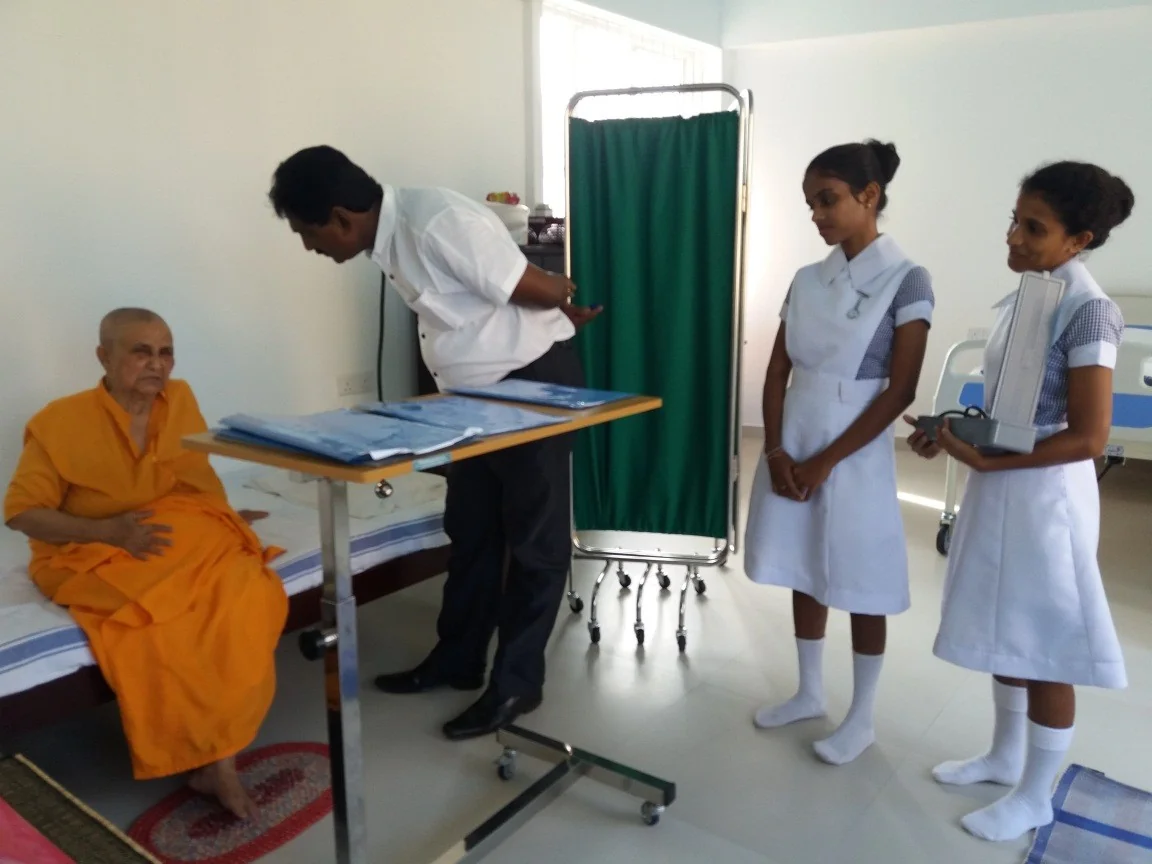
Authentic glimpses of compassionate clinical care, inpatient suites, communal dining, education, and transport facilities at IPM Matara.